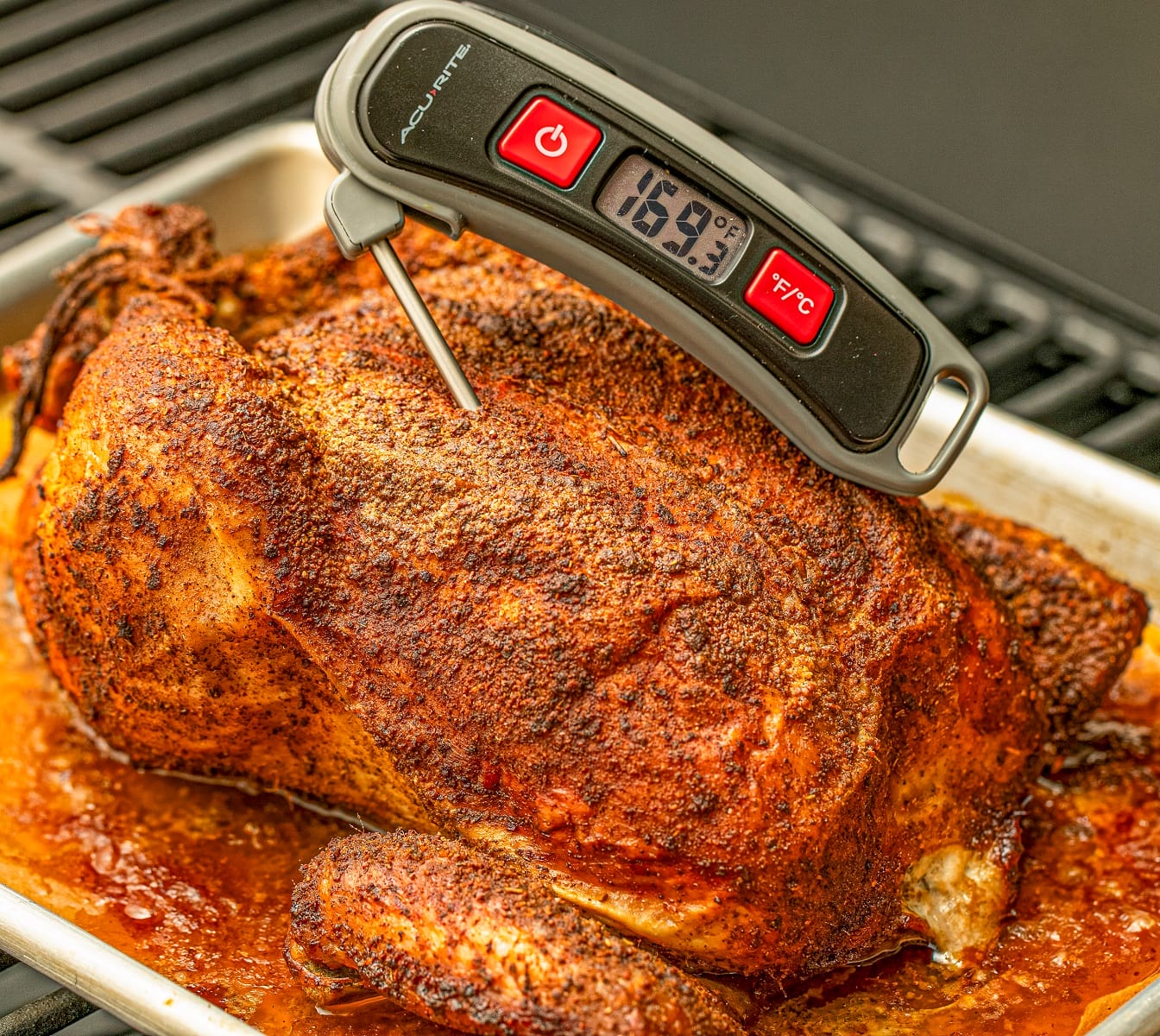
The Allure of Perfect Smoked Whole Chicken: Why It's Your New Go-To
Imagine sinking your teeth into incredibly tender,
juicy smoked chicken with a perfectly rendered, irresistibly crispy skin, bursting with deep, savory flavor. This isn't a fantasy reserved for restaurant menus; it's an achievable reality in your backyard, and it’s easier than you might think. Smoking a whole chicken has rapidly become a favorite cooking method for many pitmasters and home cooks alike, offering an experience that far surpasses any supermarket rotisserie bird.
The secret to this culinary marvel lies in the smoking process, which gently infuses the meat with a complex, aromatic depth while allowing the skin to crisp up beautifully. Forget complicated wet brining; a well-chosen dry rub does all the heavy lifting, seasoning the meat from the outside in and locking in moisture. The result is a meal that feels special enough for any occasion – from an elegant dinner party or a festive holiday spread to a simple, elevated weeknight meal. Plus, the leftovers are a gift that keeps on giving, transforming into fantastic sandwiches, vibrant salads, or hearty soups throughout the week. Once you experience the unparalleled flavor and texture of a properly
Smoked Whole Chicken: Temps, Times, & Why It Beats Rotisserie, you'll likely find yourself wondering why you ever cooked chicken any other way.
Temperature & Time: The Science Behind Succulent Smoked Chicken
Mastering
smoked whole chicken hinges on understanding the delicate balance of temperature and time. Unlike traditional roasting, smoking requires a more nuanced approach to ensure both safety and optimal texture.
Optimal Smoker Temperature: Finding Your Sweet Spot
There are several successful approaches to smoking a whole chicken, each with its own advantages:
-
The Consistent 275°F Method: Many find 275°F to be the ideal smoker temperature for chicken. This heat level is high enough to allow smoke to permeate the meat effectively, developing that signature flavor profile, while also being low enough to prevent the chicken from drying out. At this temperature, an average whole chicken (around 4-5 pounds) typically takes about 3 hours to cook through. This method yields a beautifully golden skin, often with a pleasant crispness.
-
The Hybrid Method for Crispy Skin Fast: For those prioritizing speed and maximum skin crispness, a hybrid method is gaining popularity. This involves smoking the chicken at a lower temperature (e.g., 225-250°F) for an hour or so to impart significant smoke flavor, then cranking up the heat to 350-375°F for the remainder of the cook. This higher finishing temperature renders the fat in the skin rapidly, resulting in an incredibly crispy exterior. This method can reduce overall cooking time significantly, often bringing an average bird to completion in around 2 hours, or about 20-25 minutes per pound.
-
Lower & Slower (225°F-250°F): While less common for whole chickens due to the risk of rubbery skin, smoking at 225°F for the entire cook will result in a very deep smoke flavor. However, it takes considerably longer (approximately 35-45 minutes per pound) and often requires additional steps (like a very high finishing blast or even broiling) to achieve truly crispy skin. It’s generally recommended to stick to at least 250°F or higher for whole chickens.
Regardless of the temperature strategy you choose, the most critical factor is the internal temperature of the chicken, not just the clock.
Internal Temperature is King: Don't Guess, Measure!
A reliable meat thermometer is your best friend when smoking chicken. Here's what you need to know:
-
Safe Internal Temperature: All poultry must reach a minimum internal temperature of 165°F (74°C) to be safe for consumption.
-
White Meat vs. Dark Meat: This is where precise temperature monitoring becomes crucial.
-
White Meat (Breasts and Wings): Aim for 165°F. Cooking white meat much beyond this point can quickly lead to dry, tough results.
-
Dark Meat (Thighs and Drumsticks): Dark meat benefits from slightly higher temperatures and can comfortably reach 175°F (79°C) or even 180°F (82°C) without drying out. In fact, many pitmasters believe dark meat achieves its most succulent texture and flavor at these higher temperatures, as the collagen breaks down more effectively.
The key is to monitor both the thickest part of the breast and the thickest part of the thigh (without touching bone) to ensure the entire bird is perfectly cooked. This dual-zone monitoring will guarantee
Perfect Smoked Whole Chicken: Crispy Skin, No Brine, Any Smoker.
Factors Affecting Cooking Time
While the general guidelines for time are helpful, several variables can influence how long your
smoked whole chicken takes:
-
Chicken Size: Larger birds naturally take longer to cook.
-
Smoker Consistency: Every smoker performs differently. Factors like wind, ambient temperature, and how often you open the lid can cause fluctuations.
-
Initial Chicken Temperature: A chicken taken straight from the fridge will take longer than one that has sat out for 30-60 minutes to temper.
Always remember: *cook to temperature, not to time*.
Achieving Unbeatable Flavor & Texture: Tips for Success
Beyond temperature, a few essential techniques will elevate your
smoked whole chicken from good to absolutely legendary.
The Magic of the Dry Rub: Flavor Without the Fuss
The dry rub is the cornerstone of flavor for
smoked whole chicken. It eliminates the need for messy and time-consuming wet brining while still infusing incredible taste and contributing to a beautiful crust.
-
Why It Works: A good dry rub, typically a blend of salt, pepper, garlic powder, onion powder, paprika, and other spices, creates a flavorful crust that helps seal in juices. The salt in the rub draws moisture to the surface initially, then reabsorbs it, carrying the flavors deeper into the meat.
-
Application: Pat your chicken thoroughly dry with paper towels – this is crucial for crispy skin. Liberally apply the dry rub all over the bird, getting into every crevice, even under the skin of the breast if desired. For best results, let the chicken sit with the rub on for at least 30 minutes at room temperature, or ideally, refrigerate it for a few hours (or even overnight) to allow the flavors to meld.
Crispy Skin Secrets: Say Goodbye to Rubber!
One of the biggest complaints about smoked chicken is rubbery skin. Here’s how to avoid it:
-
Pat Dry, Pat Dry, Pat Dry: We can't stress this enough. Moisture on the skin will steam rather than crisp.
-
Higher Heat is Your Friend: As discussed in the temperature section, smoking at 275°F or utilizing the hybrid method (finishing at higher heat) helps render the fat beneath the skin, making it wonderfully crispy.
-
Airflow: Place the chicken directly on the grill grates or on a rack to allow hot air and smoke to circulate evenly around all surfaces. Avoid placing it in a foil pan for the entire cook, as this will trap moisture.
-
A Touch of Fat: Some find that a very light brush of olive oil or avocado oil before applying the rub can aid in skin crisping.
Optional Glaze: When to Add BBQ Sauce
If you love a sticky, sweet, or tangy BBQ sauce on your chicken, timing is everything. Apply your favorite sauce (homemade or store-bought) during the last 15-20 minutes of cooking. This prevents the sugars in most BBQ sauces from burning and turning bitter, giving you a beautiful glaze. If you're using a sugar-free BBQ sauce, you have a bit more leeway but still aim for the final stage of cooking.
Equipment Matters (But Not as Much as You Think)
While a dedicated pellet smoker like a Traeger makes the process incredibly easy, any smoker or even a charcoal or gas grill with indirect heat capability can produce fantastic results. The key is consistent temperature control and the ability to generate clean, thin blue smoke. And, of course, that reliable leave-in thermometer.
The Essential Rest Period
Once your chicken reaches the target internal temperature, resist the urge to carve it immediately. Transfer the chicken to a cutting board, tent it loosely with foil, and let it rest for 10-15 minutes. This allows the juices, which have been pushed to the center of the bird during cooking, to redistribute throughout the meat, resulting in an even juicier final product.
Beyond the Bird: Creative Uses for Your Smoked Chicken
A whole
smoked whole chicken isn't just for dinner tonight; it's a gift that keeps on giving. The rich, smoky flavor of the leftovers elevates almost any dish.
-
Sandwiches & Wraps: Shredded smoked chicken makes for incredibly flavorful sandwiches, wraps, or even sliders.
-
Salads: Add it to a Caesar salad, a hearty Cobb salad, or create a delicious smoked chicken salad with mayo, celery, and herbs.
-
Soups & Stews: The leftover carcass can be used to make a deeply flavorful stock, and the shredded meat is perfect for smoked chicken noodle soup, tortilla soup, or chili.
-
Tacos, Quesadillas & Enchiladas: The smoky notes are a fantastic addition to Tex-Mex dishes.
-
Pasta Dishes & Pizzas: Stir into pasta sauces or use as a topping for homemade pizza.
This versatility makes
smoked whole chicken a meal prep hero, providing delicious and healthy protein for various meals throughout the week.
Conclusion
Mastering
smoked whole chicken is a rewarding culinary journey that promises incredibly juicy meat, irresistibly crispy skin, and a depth of flavor that store-bought alternatives simply cannot match. By focusing on proper temperature management, understanding internal temperature targets for white and dark meat, and implementing simple techniques like generous dry rubbing and effective skin crisping, you can achieve consistently outstanding results. This versatile dish is perfect for any occasion and its delicious leftovers ensure your efforts are well-spent. So fire up your smoker and prepare to impress yourself and everyone at your table with this truly magnificent meal.