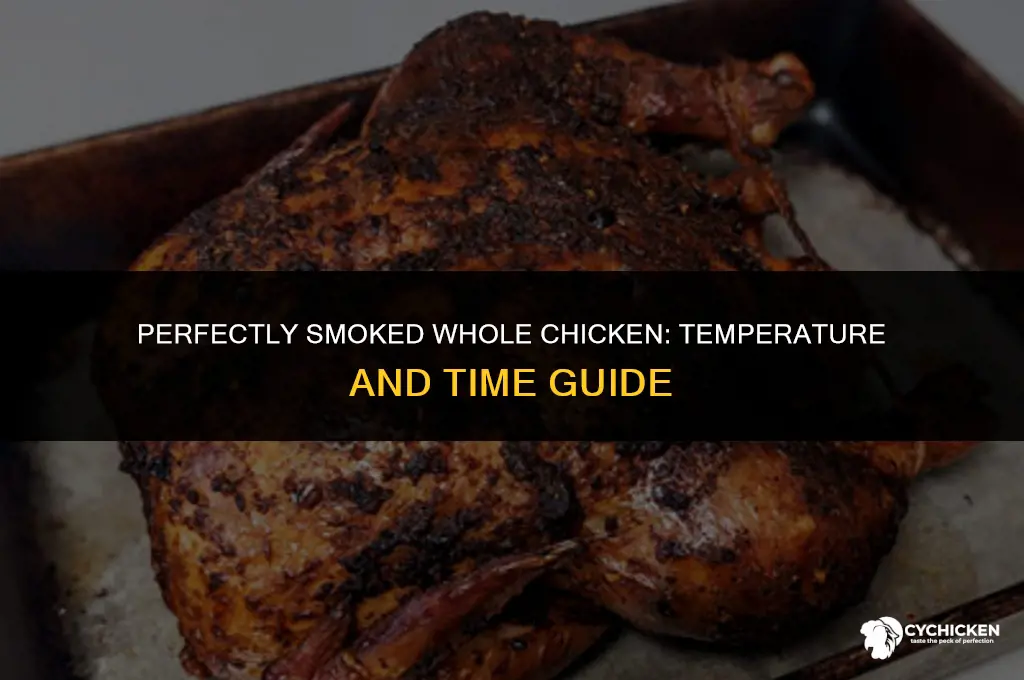
Smoked Whole Chicken: Temps, Times, & Why It Beats Rotisserie
Forget everything you thought you knew about convenient chicken. While the supermarket rotisserie chicken offers a quick fix, it simply can’t hold a candle to the rich, succulent experience of a perfectly smoked whole chicken. This isn't just about cooking; it's about transforming a humble bird into a masterpiece of flavor, texture, and aroma that will elevate any meal, from a casual weeknight dinner to a festive holiday feast. Let's dive into the essential temperatures, times, and irrefutable reasons why smoking a whole chicken will become your new favorite culinary obsession.
Why Smoked Whole Chicken Reigns Supreme Over Rotisserie
The allure of a rotisserie chicken is its convenience, but convenience often comes at the cost of genuine flavor and control. A smoked whole chicken, on the other hand, delivers an unparalleled sensory experience:
- Unmatched Flavor Depth: The most significant differentiator is the infusion of smoky goodness. Whether you prefer the subtle sweetness of applewood, the robust kick of hickory, or the balanced profile of oak, smoking imbues the chicken with a complex, earthy depth that simply can't be replicated in a commercial oven. This deep flavor permeates the meat, creating a delicious foundation.
- Superior Texture: Picture this: incredibly juicy, tender meat coupled with golden, perfectly crispy skin. Achieved through careful temperature management in a smoker, this textural contrast is often elusive with store-bought rotisserie options, which can sometimes be dry or have rubbery skin.
- Customization and Control: When you smoke your own chicken, you're the master of its destiny. You choose your dry rub, your wood type, your smoking temperature, and even any basting liquids or BBQ sauces. This level of personalization means every smoked whole chicken can be uniquely tailored to your taste preferences, something a pre-cooked bird can never offer.
- Versatility Beyond the Plate: A smoked whole chicken isn't just a meal; it's a foundation for a week of delicious possibilities. The Mastering Smoked Whole Chicken: Juicy, Crispy, & Easy Every Time guide will show you how to maximize its potential. Leftovers transform into incredible sandwiches, hearty soups, flavorful tacos, or vibrant salads, often tasting even better the next day as the smoky notes continue to meld.
The investment of time in smoking pays dividends in flavor and satisfaction that a store-bought chicken simply cannot match.
The Perfect Temperatures: Balancing Juiciness and Crispiness
Understanding the right temperatures is crucial for a successful smoked whole chicken. It's a delicate dance between allowing enough time for smoke penetration and ensuring the chicken cooks thoroughly without drying out. There are primarily two schools of thought when it comes to smoking temperatures:
Consistent Low-Medium Heat (275°F)
Many pitmasters find that smoking a whole chicken at a consistent 275°F strikes the ideal balance. This temperature is high enough to:
- Permeate with Smoke: At 275°F, the chicken has ample time to absorb wonderful smoky flavors from your chosen wood chips or chunks.
- Render Fat and Crisp Skin: While lower than typical roasting temperatures, 275°F is still sufficient to slowly render the fat under the skin, leading to a beautifully golden and crispy exterior.
- Maintain Moisture: Crucially, this temperature is low enough to prevent the white meat from drying out prematurely, ensuring a moist and tender result throughout the bird.
Using a dry rub is often preferred over brining at this temperature, as the rub works wonders to infuse flavor and retain moisture without the added liquid. This method simplifies the process, making it accessible for any smoker or grill setup.
The Hybrid Method: Smoke First, Then Sear (e.g., 225°F then 350-375°F)
For those seeking to fast-track the smoky flavor and guarantee crispy skin, a hybrid approach is incredibly effective. This method involves:
- Initial Low Smoke: Start the chicken at a lower temperature, around 225°F to 250°F, for the first hour. This phase is dedicated to maximizing smoke absorption into the meat.
- Increased Heat for Crispness: After the initial smoke, raise your smoker's temperature to 350°F to 375°F. This higher heat quickly crisps the skin, giving it that desirable crackle, and finishes cooking the chicken efficiently.
This "best of both worlds" technique provides intense smoke flavor in a shorter timeframe and delivers an undeniably crispy skin. It's an excellent option for those wanting a Perfect Smoked Whole Chicken: Crispy Skin, No Brine, Any Smoker without the extensive cooking time.
Monitoring Internal Temperature: The Ultimate Guide
Regardless of your chosen smoker temperature, the internal temperature of the chicken is your definitive guide to doneness. Always use a reliable meat thermometer:
- White Meat (Breast & Wings): Aim for a minimum safe internal temperature of 165°F (74°C). Insert the thermometer into the thickest part of the breast without touching bone. Cooking past this can lead to dry, tough meat.
- Dark Meat (Thighs & Drumsticks): Dark meat can beautifully handle higher temperatures and often tastes even better when cooked to 170-175°F (77-79°C). The connective tissues and fat in dark meat break down more effectively at this range, resulting in incredibly tender and juicy results. Insert the thermometer into the thickest part of the thigh, again, avoiding the bone.
Monitoring both parts is key to a perfectly cooked bird. If your breast is done but the thighs need more time, you can remove the breast (or tent it with foil) to prevent overcooking while the dark meat finishes.
Timing Your Smoked Whole Chicken: Guidelines, Not Strict Rules
While internal temperature is king, knowing estimated cooking times helps in planning your meal. Keep in mind that these are guidelines, and actual times will vary based on chicken size, smoker consistency, ambient weather, and how often you open your smoker lid.
- At 275°F: A typical 3-4 pound whole chicken will take approximately 3 hours to reach the target internal temperatures. This translates to roughly 45-60 minutes per pound.
- Hybrid Method (e.g., 1 hour at 225°F, then higher heat): This method can significantly reduce cooking time. A similar 3-4 pound chicken might be done in about 2 to 2.5 hours, or approximately 20-25 minutes per pound once the higher heat phase begins.
- Lower Temperatures (e.g., 225°F consistently): If you opt for a consistently lower temperature for maximum smoke, expect longer cooking times, potentially 35-45 minutes per pound, totaling 4-5 hours for a standard bird.
Pro Tip: Always factor in a 15-20 minute resting period after removing the chicken from the smoker. This allows the juices to redistribute throughout the meat, ensuring maximum tenderness and moisture. Tent it loosely with foil during this time.
Mastering the Smoker: Beyond Temps and Times
Achieving that perfect smoked whole chicken involves a few other considerations:
- Preparation is Key: Pat your chicken thoroughly dry with paper towels before applying any rub. This helps the rub adhere better and contributes significantly to crispy skin.
- The Power of the Rub: A good dry rub, often a blend of salt, pepper, garlic powder, onion powder, paprika, and a touch of brown sugar or chili powder, creates a beautiful crust and infuses flavor without the need for a wet brine. Apply it generously under and over the skin.
- Wood Selection: Experiment with different wood types.
- Apple, Cherry: Milder, slightly sweet, great for poultry.
- Hickory, Mesquite: Stronger, bolder flavors, use sparingly or for a more intense smoke.
- Oak: A good all-rounder, medium intensity.
- Spatchcocking (Butterflying): For even faster and more uniform cooking, consider spatchcocking your chicken. This involves removing the backbone and flattening the bird, exposing more surface area to smoke and heat.
- Sauce Application: If you love BBQ sauce, apply it in the last 15-20 minutes of cooking. This prevents the sugars in the sauce from burning and developing a bitter taste.
Conclusion
Smoking a whole chicken is an incredibly rewarding culinary endeavor that far surpasses the convenience of a rotisserie chicken. By understanding the optimal temperatures (like a consistent 275°F or a hybrid smoke-and-sear approach), closely monitoring internal temperatures, and allowing for proper resting time, you'll consistently achieve a bird that boasts incredibly juicy meat, tantalizingly crispy skin, and a depth of smoky flavor that is simply unparalleled. So, fire up your smoker, choose your favorite rub and wood, and prepare to impress your taste buds and your guests with a truly exceptional meal.
